
Are you struggling to hit your target consistently? Understanding riflescope features is key to improving your accuracy. In this post, I will explore essential aspects such as reticle design, lens coatings, and adjustable parallax settings. These features directly impact your shooting precision and overall performance. By the end, you'll know how to choose a riflescope that enhances your skills and helps solve common shooting problems. Let's focus on optimizing your equipment for better results in the field.
Key Features Covered for Enhancing Shooting Accuracy
This list outlines the essential features of riflescopes that will be discussed, focusing on how each contributes to improved shooting accuracy and overall performance.
- Reticle Design – Explore various reticle types, including illuminated, Mil-Dot, and MOA, and how they enhance target acquisition and precision.
- Lens Coatings – Understand the impact of different lens coatings on image clarity and light transmission, crucial for low light conditions.
- Adjustable Parallax Settings – Learn how to adjust parallax for different shooting distances to ensure accuracy and minimize shot placement errors.
- Magnification Range – Discuss the differences between fixed and variable magnification, and how to choose the right one for your shooting needs.
- Objective Lens Diameter – Discover how the size of the objective lens affects light gathering ability and visibility in various shooting conditions.
- Build Quality and Durability – Examine the importance of weatherproofing and high-quality materials in maintaining consistent performance and reliability.
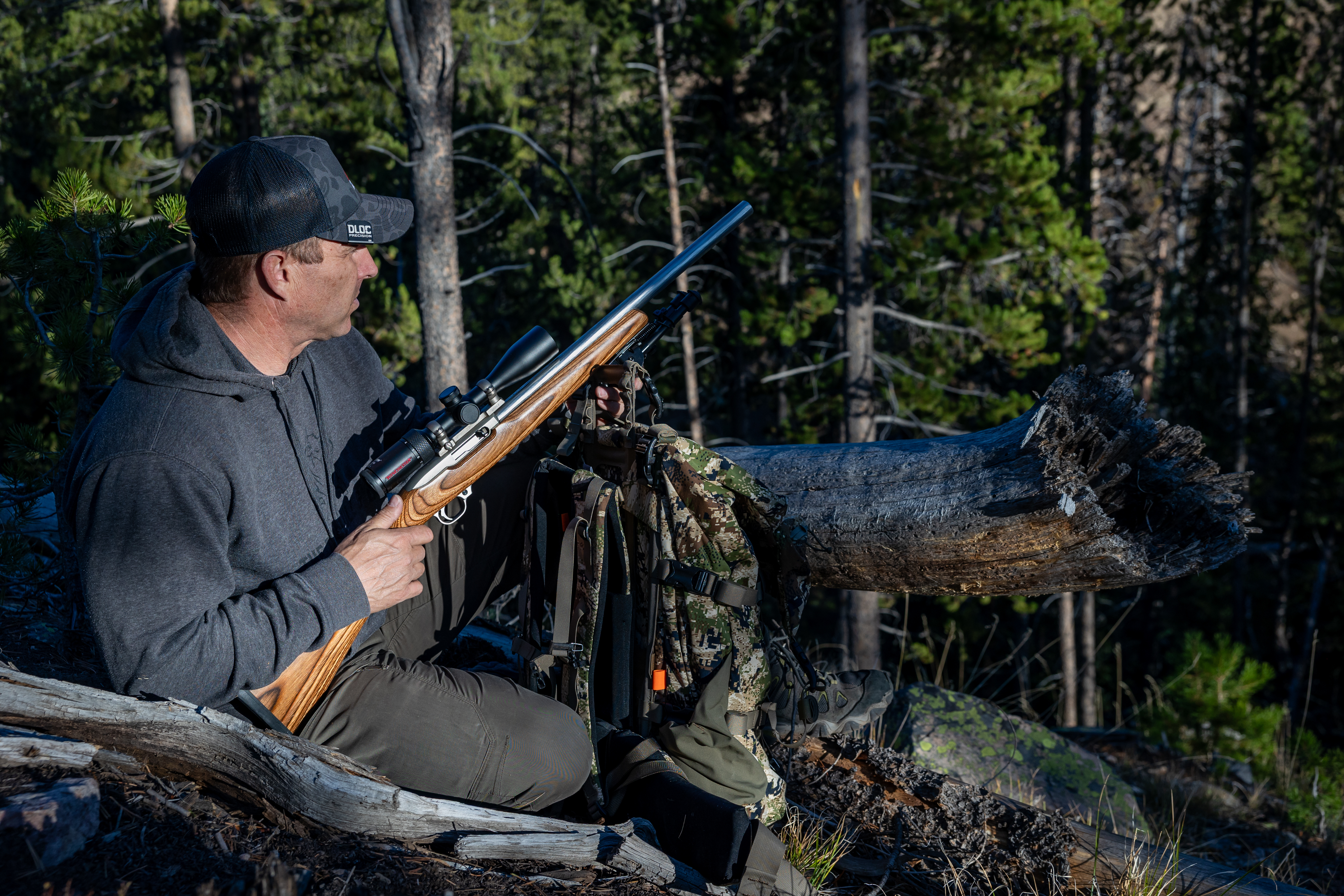
Understanding the Importance of Reticle Design for Accuracy
Understanding different types of reticles is essential for enhancing accuracy while using riflescopes. From illuminated reticles that aid visibility in low light conditions to specialized designs like Mil-Dot and MOA reticles, each contributes to precision in the field. I’ll explore how these features, along with considerations of eye relief, windage, and distortion, directly impact your shooting experience.
Types of Reticles and Their Impact on Precision
When I think about different reticle types, I realize how each design plays a crucial role in accuracy, especially for long-range shooting. For example, a Mil-Dot reticle allows me to compare distances more effectively by utilizing ballistic calculations, while an illuminated reticle enhances visibility in low light, making it easier for the naked eye to focus on targets. Understanding these variations in reticle designs has transformed my shooting accuracy, providing clearer sight lines and improving my overall shooting experience.
Illuminated Reticles for Low Light Conditions
Using an illuminated reticle has significantly enhanced my experience during deer hunting and other shooting sports, especially in low light conditions. The increased visibility provided by an illuminated reticle allows for clear aiming in dim settings, which is crucial for effective target acquisition. This feature, coupled with the right exit pupil in my experiences, has empowered me to shoot with confidence and accuracy, even when natural light fades.
Mil-Dot and MOA Reticles: How They Aid Long-Range Shooting
The Mil-Dot and MOA reticles have been game-changers for my long-range shooting. With the Mil-Dot reticle, I can gauge distances precisely, allowing me to adjust for bullet drop effectively, which is critical when using higher magnification scopes. In contrast, the MOA reticle helps me make quick calculations, especially when engaging targets at varying distances, ensuring I can adapt quickly, much like I do when switching between iron sights and riflescopes. This adaptability in my gear, including my riflescope's eyepiece adjustments, has markedly improved my shooting accuracy and confidence in the field.
The Role of Lens Coatings in Clarity and Light Transmission
Understanding the different types of lens coatings has significantly impacted my shooting experience. Anti-reflective coatings improve image quality by reducing glare, enabling me to achieve precise measurement during hunts. These coatings also enhance low light performance, which is essential for targeting deer effectively. I’ll discuss how these elements work together to enhance both accuracy and precision in my shooting endeavors.
Different Types of Lens Coatings Explained
In my experience, understanding different types of lens coatings can significantly elevate the performance of a riflescope. For instance, a fully multi-coated objective lens not only enhances light transmission but also minimizes glare, allowing for sharper images at various heights. This clarity becomes particularly important when I’m adjusting my aim using milliradian increments, ensuring I make precise shots every time I engage a target while considering eye relief and pupil alignment.
How Anti-Reflective Coatings Improve Image Quality
The use of anti-reflective coatings has greatly improved the image quality of my riflescope. These coatings work to minimize glare, allowing me to maintain a clear view of my target, much like looking through a magnifying glass without distortions. This clarity, particularly during bright daylight or low light settings, ensures that I can line up my shot accurately, avoiding distractions that might otherwise impact my focus, whether I'm adjusting for windage or placing subtensions of my reticle on target to figure out hold over.
Benefits of Coatings for Enhanced Low Light Performance
The benefits of lens coatings for enhanced low light performance cannot be overstated, especially in situations where visibility is critical. With the right coatings, I can achieve remarkable clarity and brightness, even in dim conditions. This is paramount for hitting my target precisely, as a marksman would expect consistent performance while maintaining proper eye relief and a clear sight picture, regardless of the light available.
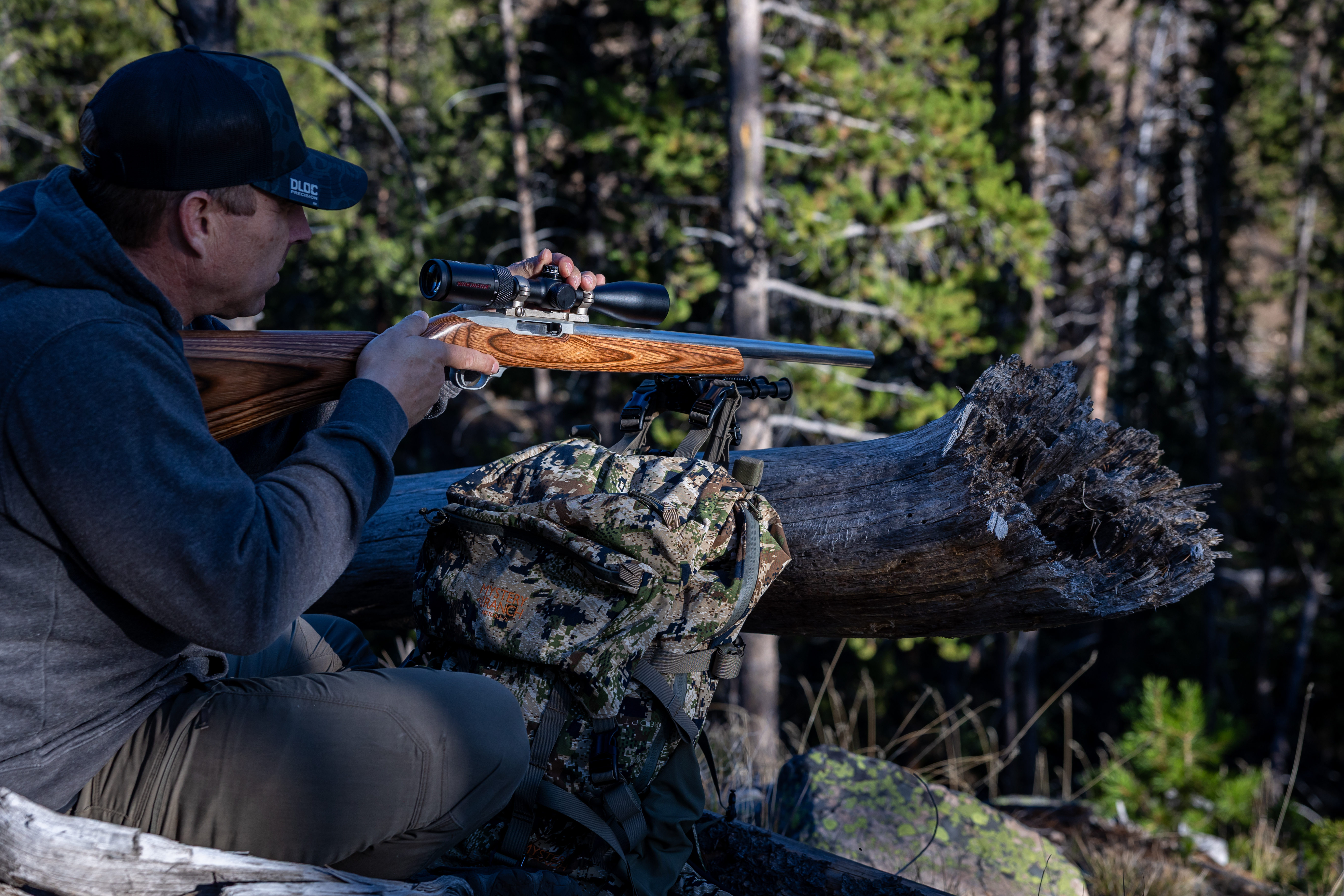
Adjustable Parallax Settings for Enhanced Precision
Understanding parallax and its effect on accuracy is crucial for achieving optimal performance with a riflescope. Parallax refers to the apparent shift in the reticle's position relative to the target when the shooter's eye moves, leading to potential aiming errors. This section will delve into how to properly adjust parallax for various shooting distances to ensure maximum precision. We will also address common misconceptions surrounding parallax adjustment, providing clarity on this critical aspect of riflescope usage.
Understanding Parallax and Its Effect on Accuracy
Understanding parallax is vital for achieving accuracy when targeting with a riflescope. Parallax is an optical phenomenon where the reticle appears to shift relative to the target when the shooter's eye moves off-center. This occurs because the target image and the reticle are not precisely on the same focal plane within the scope. By properly adjusting the parallax settings, you bring the target image into the same focal plane as the reticle. This eliminates the apparent shift, ensuring that your point of aim remains consistent regardless of minor variations in eye position, thereby preventing aiming errors and significantly improving shot precision, especially at different distances.
How to Adjust Parallax for Different Shooting Distances
To adjust parallax for different shooting distances, I first identify the target range and then set the parallax adjustment on my riflescope accordingly. For instance, when hunting at close ranges, I typically set it for around 100 yards, while longer distances may require settings adjusted beyond that. This ensures that I can account for any angle or wind effects, allowing for more accurate shots and ultimately improving my overall shooting precision.
Common Misconceptions About Parallax Adjustment
One common misconception I’ve encountered regarding parallax adjustment is that it only matters at extreme distances. In my experience, even at closer ranges, improper parallax settings can lead to inaccuracies that affect shot placement. Many believe they can simply aim and shoot without adjusting for parallax, but taking the time to set it appropriately for the distance I’m shooting helps me achieve the precision I need, regardless of how far away my target is.
Magnification Range and Its Influence on Shooting Accuracy
Understanding the nuances of magnification range is essential for improving my shooting accuracy. I’ll discuss the differences between fixed and variable magnification, helping you determine which is better suited for your needs. Additionally, I’ll explore how to choose the right riflescope based on your shooting scenarios and the impact of high magnification on stability during aim.
Fixed vs. Variable Magnification: Which Is Better for You?
When choosing between fixed and variable magnification scopes, I weigh the advantages of each based on my shooting needs. A fixed magnification scope offers simplicity and maintains optical clarity, making it ideal for specific distances like target shooting or hunting in a defined range. In contrast, a variable magnification scope provides versatile options, allowing me to adapt to different shooting scenarios, whether I’m tracking game at varied distances or adjusting for wind. Understanding how these features align with my shooting style ultimately enhances my accuracy and confidence on the range or in the field.
Choosing the Right Magnification for Your Shooting Needs
When selecting the right magnification for my shooting needs, I consider the distance and type of game I plan to target. For instance, if I am hunting in a dense forest, I prefer a lower magnification range, as it offers a wider field of view, allowing me to quickly acquire moving targets. Conversely, when engaging in long-range shooting, higher magnification better supports precision, helping me to see the smaller details and make accurate adjustments on my shots.
The Effect of High Magnification on Stability
High magnification can significantly impact stability during aiming, which I have observed in my own shooting experiences. When I use a high magnification scope, even the slightest movement can amplify my aiming point's shift, making it essential to account for stability techniques like proper body positioning and breath control. This awareness helps me maintain accuracy, ensuring that I can hit my target without being overly affected by the natural movement of my hands or the environment.
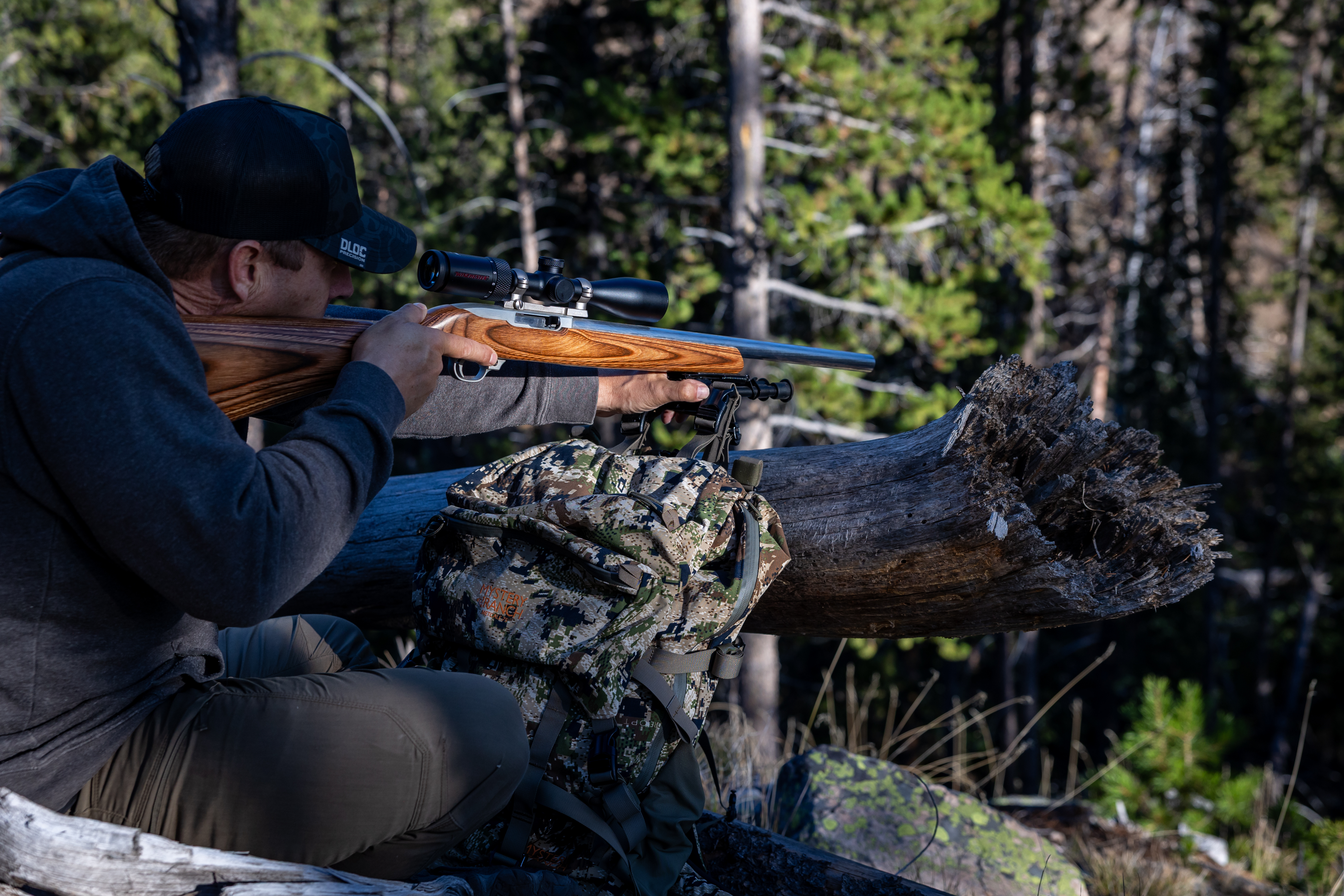
Objective Lens Diameter: Finding the Right Balance
The objective lens diameter directly influences light gathering ability, which is essential for visibility in various shooting conditions. I’ve found that larger lenses enhance clarity and brightness during early morning or late evening hunts. By understanding how to select the right objective diameter for my rifle, I can optimize my shooting experience and ensure precise aim, no matter the setting.
The Relationship Between Objective Lens Size and Light Gathering
The objective lens diameter plays a crucial role in light gathering ability, which directly impacts visibility during shooting. I've noticed that larger objective lenses allow more light to enter the scope, providing clearer images, especially in low light situations like early morning or late evening hunts. By selecting the right objective lens size for my riflescope, I enhance my ability to spot targets and make precise shots, regardless of the lighting conditions I encounter in the field.
How Larger Lenses Impact Shooting in Various Conditions
Larger objective lenses have profoundly impacted my shooting experiences, especially in low light situations like dawn or dusk. By allowing more light to enter the scope, these lenses provide brighter images that enhance my ability to identify targets more clearly in challenging environments. This clarity not only helps me spot game more effectively but also boosts my confidence in making precise shots, ensuring I can perform at my best regardless of the conditions.
Finding the Right Objective Diameter for Your Rifle
Finding the right objective diameter for my rifle is essential for maximizing performance and accuracy. A larger diameter lens improves light transmission, which is crucial during low light conditions, like early morning hunting. For example, I prefer a 50mm objective lens when I'll be shooting at dawn or dusk, as it provides a brighter image and clearer view of my target, ultimately enhancing my shooting experience.
Build Quality and Durability: Essential for Consistent Performance
Weatherproofing in riflescopes is crucial for maintaining performance, regardless of environmental conditions. The materials used in high-quality construction ensure durability and resistance to wear. I’ll elaborate on how robust build quality influences long-term accuracy and reliability, ensuring that my riflescope performs consistently throughout various shooting scenarios.
The Importance of Weatherproofing in Riflescopes
Weatherproofing in riflescopes is crucial for maintaining consistent performance across various environmental conditions. From rain to snow, knowing that my optics are built to withstand the elements gives me peace of mind, allowing me to focus on accuracy without worrying about damage. I've found that high-quality, weatherproof models not only enhance durability but also ensure that my sight picture remains clear and reliable, elevating my overall shooting experience.
Materials Used in High-Quality Riflescope Construction
The materials used in high-quality riflescope construction are vital for ensuring durability and consistent performance. I often prioritize scopes made with premium aluminum for their lightweight yet robust nature, which helps withstand harsh conditions without compromising on reliability. The use of scratch-resistant lenses also contributes significantly to maintaining clarity, allowing me to keep my focus on the target regardless of the environment I face during my shooting trips.
How Build Quality Affects Long-Term Accuracy and Reliability
The build quality of a riflescope directly impacts its long-term accuracy and reliability, which I have come to recognize through my shooting experiences. High-quality materials, such as aircraft-grade aluminum and robust seals, help ensure that my scope remains intact even in challenging conditions, preserving its precision over time. By choosing a well-constructed scope, I can trust that it will maintain its zero and deliver consistent performance, allowing me to focus on what truly matters, hitting my target confidently.
Frequently Asked Questions
What is the best reticle type for beginners?
For beginners, a simple duplex reticle is often recommended. This design features thick outer lines that taper to a fine center point, making it easy to acquire targets quickly. It provides a clear sight picture without overwhelming the shooter with complex markings. As skills develop, shooters may explore more advanced reticle types like Mil-Dot or illuminated options, which offer additional features for precision shooting in various conditions.
How do I maintain my riflescope for optimal performance?
Regular maintenance of your riflescope is essential for optimal performance. Start by cleaning the lenses with a soft, lint-free cloth and lens cleaner to remove dirt and smudges. Store the scope in a protective case to prevent damage from impacts or moisture. Additionally, periodically check the mounting screws and adjustments to ensure they are secure. Proper care will extend the life of your scope and maintain its accuracy over time. For more information, check out this expert tips on choosing the right riflescope for beginners.
Can I use a riflescope for both hunting and target shooting?
Yes, many riflescopes are versatile enough for both hunting and target shooting. When selecting a scope, consider the magnification range and reticle type that best suits your needs. For hunting, a lower magnification with a wider field of view is beneficial for tracking moving game, while a higher magnification may be preferred for precision target shooting. Choosing a scope that balances these features will enhance your experience in both activities. Choosing the right riflescope.
What factors should I consider when choosing a magnification range?
When choosing a magnification range, consider the typical distances at which you will be shooting. For close-range hunting or target shooting, a lower magnification (e.g., 3-9x) is often sufficient. For long-range shooting, higher magnification (e.g., 10-20x) may be necessary to see finer details. Additionally, consider the stability of your shooting position, as higher magnifications can amplify movement, making it harder to maintain accuracy.
How does weather affect my riflescope's performance?
Weather can significantly impact your riflescope's performance. Rain, fog, and humidity can cause lens fogging and reduce visibility. High-quality weatherproof scopes are designed to withstand these conditions, ensuring that the internal components remain dry and functional. Additionally, extreme temperatures can affect the lubricants used in the scope's mechanics. Choosing a well-constructed, weatherproof scope will help maintain performance in various environmental conditions.
What is the significance of eye relief in a riflescope?
Eye relief is the distance between your eye and the ocular lens of the riflescope. It is crucial for comfort and safety, as insufficient eye relief can lead to scope bite, where the scope hits your brow during recoil. A longer eye relief is particularly beneficial for high-recoil rifles or when using a scope with high magnification. Ensuring adequate eye relief allows for a comfortable shooting position and helps maintain accuracy. For more information, check out expert tips on choosing the right riflescope for beginners.
Are there specific lens coatings that enhance low light performance?
Yes, certain lens coatings are specifically designed to enhance low light performance. Fully multi-coated lenses provide superior light transmission and reduce glare, allowing for clearer images in dim conditions. Anti-reflective coatings also play a vital role by minimizing light loss and improving clarity. When selecting a riflescope for beginners for low light situations, look for models with high-quality lens coatings to ensure optimal visibility during dawn or dusk hunts.
Conclusion
Understanding riflescope features is essential for enhancing shooting accuracy and overall performance. Key elements such as reticle design, lens coatings, and adjustable parallax settings play a pivotal role in improving target acquisition and precision. By selecting the right magnification and objective lens diameter, you can optimize visibility and clarity in various conditions. Prioritizing quality construction and weatherproofing further ensures consistent reliability, empowering you to shoot confidently in any environment.